Crafting Timeless Hardwood Furniture: A Journey from Design
Hardwood Furniture
For as long as I can remember, I’ve admired craftsmanship—the kind of skill that transforms raw materials into something both functional and beautiful. From the intricate features of old cathedrals to finely made furniture, there’s something timeless about work created by hand and perfected over years of experience.
My own journey into this world began with a small opportunity while living in Mexico. I started building pallet furniture and experimenting with outdoor pieces like a dartboard stand and even an archery tower. That hands-on experience pulled me in completely. Since then, I’ve decided to pursue this path more seriously, with the goal of creating bespoke, contemporary hardwood furniture that blends traditional techniques with modern design.
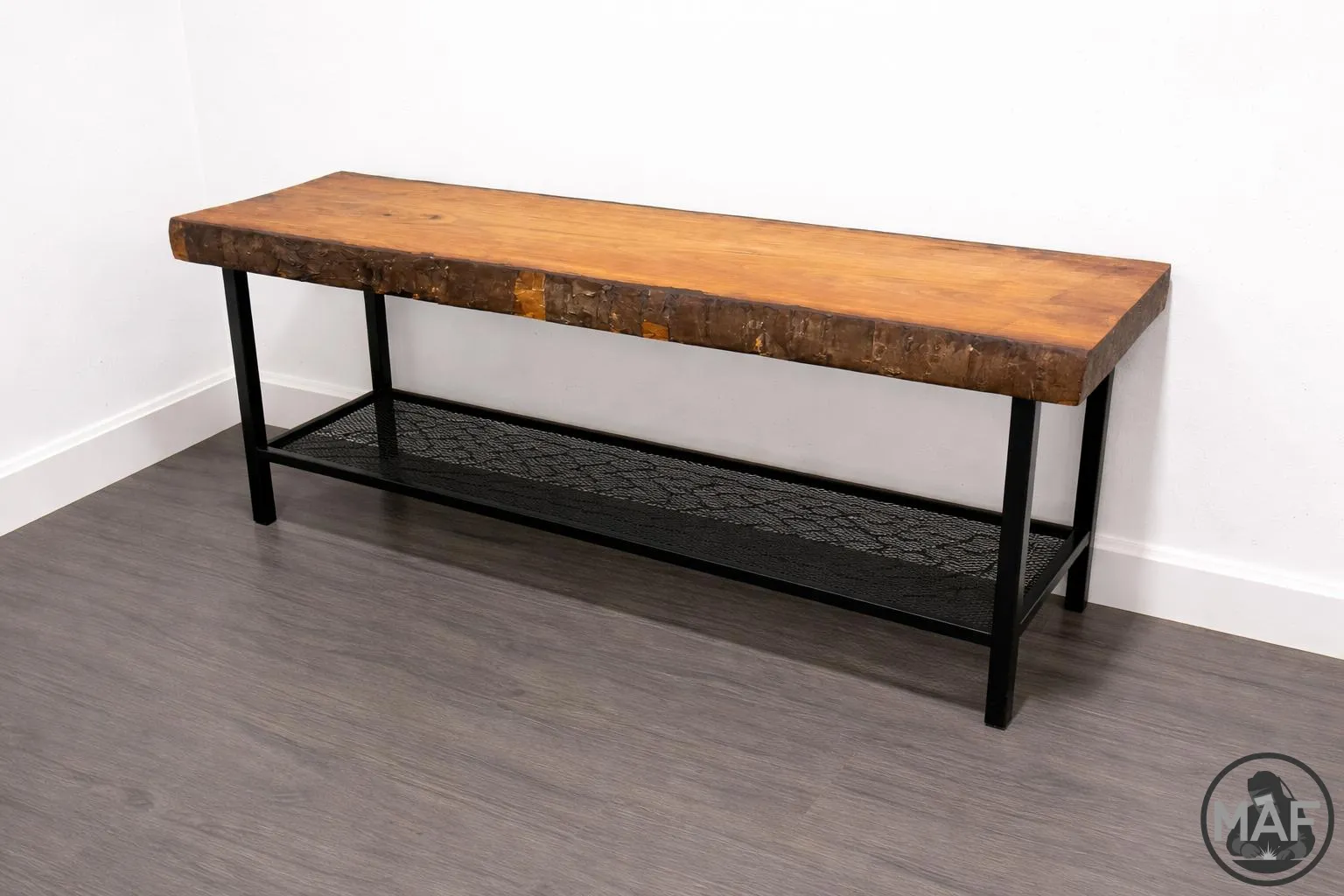
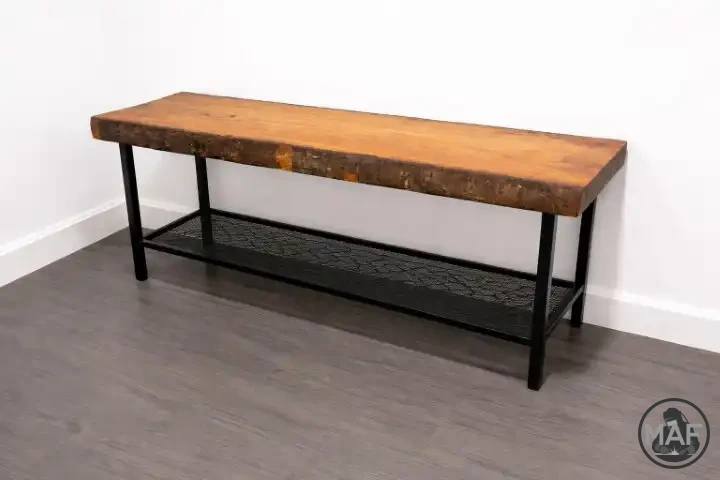
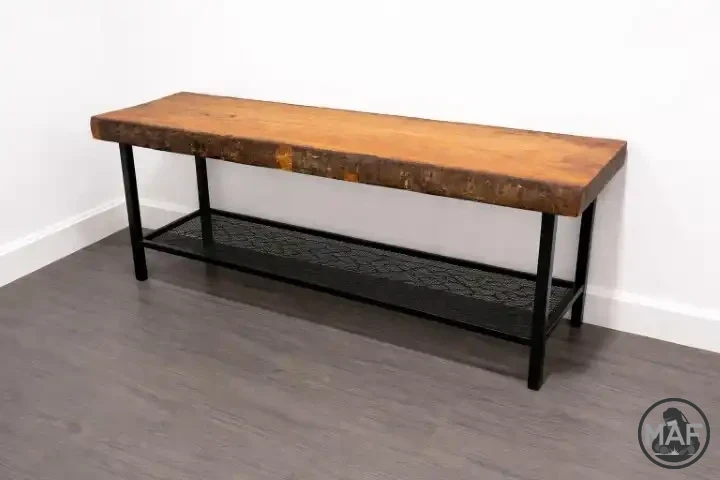
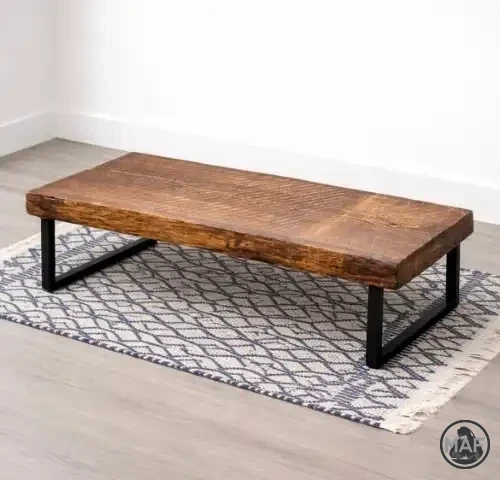
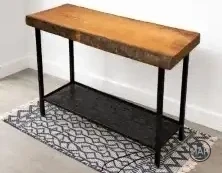
Looking back at some of my earlier projects, one that stands out is a 50mm thick live-edge cherry wood side table, paired with a mesh underlayer. One of the most interesting challenges in building pieces like this is sourcing the hardwood itself. Each slab comes with its own unique shape, grain, and character, which means no two pieces are ever the same. It also requires designing and fabricating custom steel frames that complement and support the natural irregularities of the wood.
Stage 1: Selecting the Wood
Every project begins with sourcing the right slab of live-edge hardwood. Whether it’s intended for a coffee table, side table, or console, this is where the creative process really starts. The natural form of the wood dictates the direction of the design, and ideas begin to take shape. For this particular piece, I selected a striking slab of cherry wood with a rich tone and organic edge.
Stage 2: Preparing the Mounting Plate
Once the slab is chosen, the next step is preparing the fitting plate that will connect the tabletop to the frame. This involves carefully positioning where the legs will attach, marking out precise drilling points, and ensuring everything aligns correctly. The wood is then drilled, and threaded inserts are installed to allow for secure and durable fixing.
Stage 3: Designing the Frame
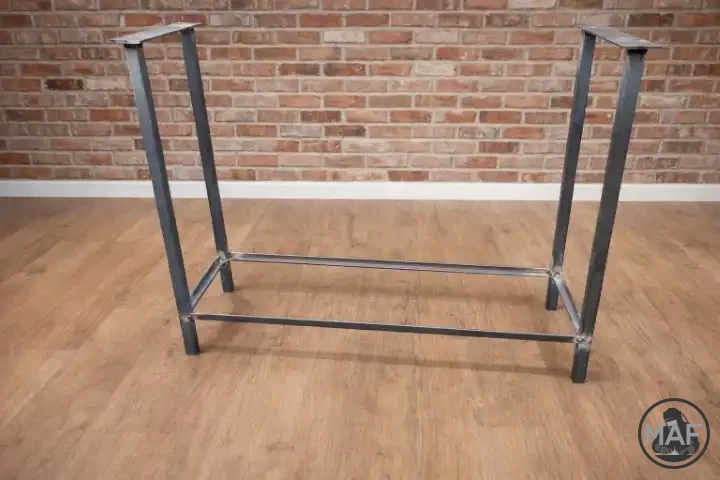
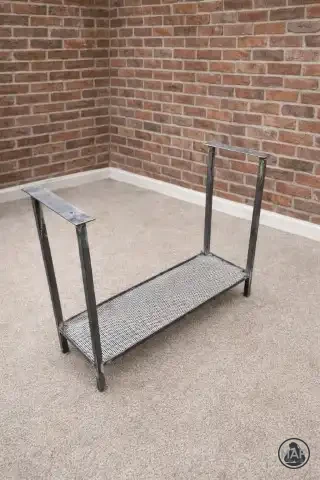
Designing the frame is where structure meets creativity. For this build, I wanted something solid, reliable, and visually distinctive. I took inspiration from traditional blacksmithing techniques, using 16mm solid mild steel square bar combined with a contemporary punched mesh design.
The concept started as a hand sketch before being refined using CAD software. This allowed me to fine-tune proportions, balance, and overall aesthetics before moving into fabrication.
Stage 4: Fabrication and Welding
With the design finalised, the frame was tack-fitted together to ensure accuracy before fully welding. The steel edges were lightly bevelled using a grinder and held in place with welding magnets.
I used a flux-core MIG welder to tack the joints, followed by running a proper root bead for strength. To further reinforce the welds, I completed a hot pass after lightly grinding back the root. This involved increasing the voltage slightly and feeding more wire to ensure strong, clean weld penetration.
Stage 5: Finishing
The final stage brings everything together. The welds were ground back using a hard disc, followed by a flap disc to smooth the surface and prepare it for painting.
At the same time, the wood was carefully sanded—starting with 80 grit, then moving through 120 and finishing at 180 grit—to achieve a smooth, even surface. Once prepared, the wood was stained to enhance its natural grain and sealed with a protective clear coat to ensure durability.
This process reflects what I enjoy most about furniture making: the balance between raw materials, technical skill, and creative expression. Each piece is unique, shaped as much by the material itself as by the vision behind it.
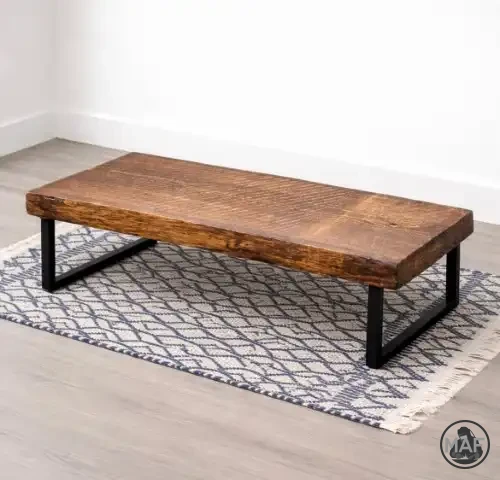
Projects
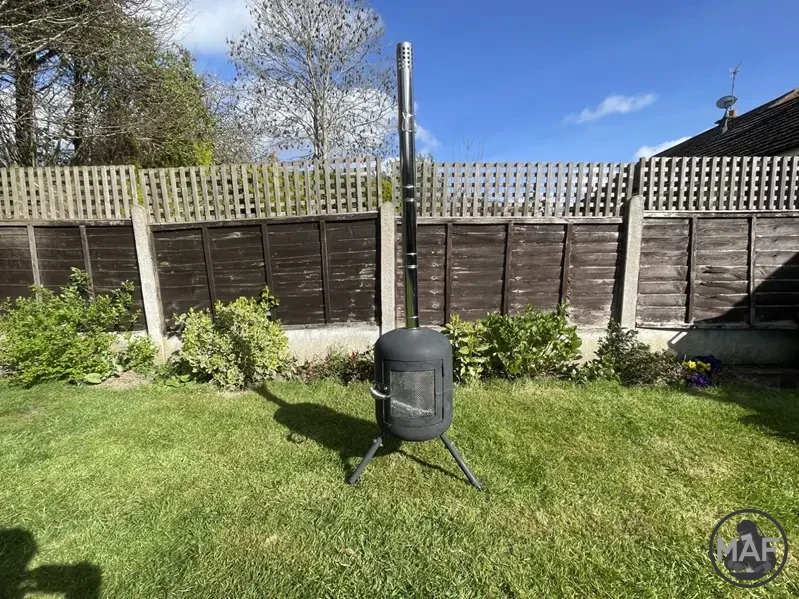
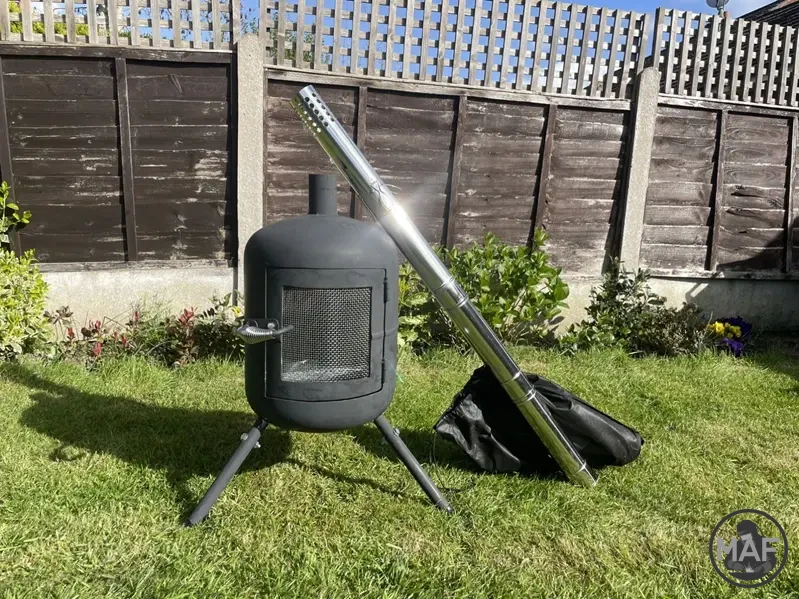
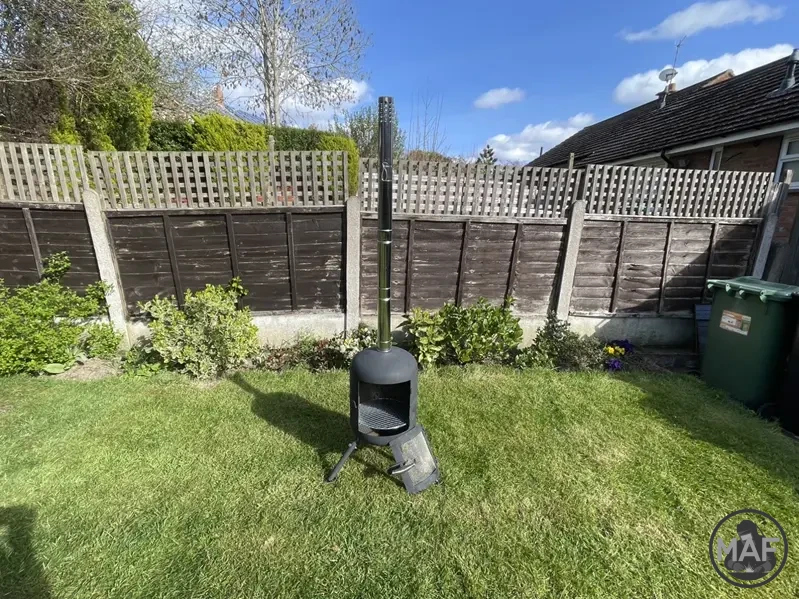
Project 1
This project started out from as a old LPG bottle...Upcycling a LPG Gas Bottle into a Log Burner
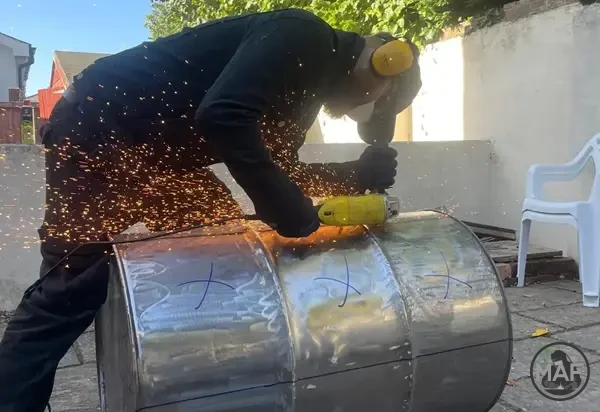
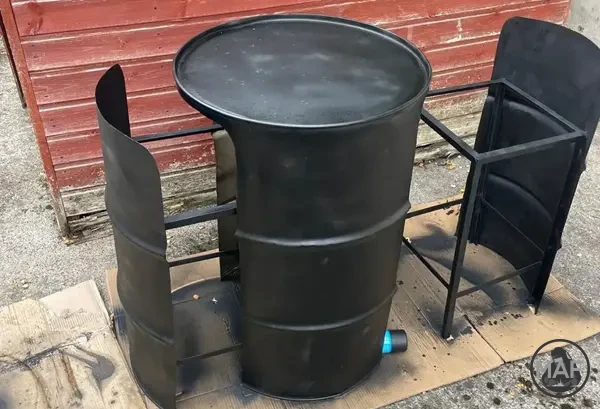
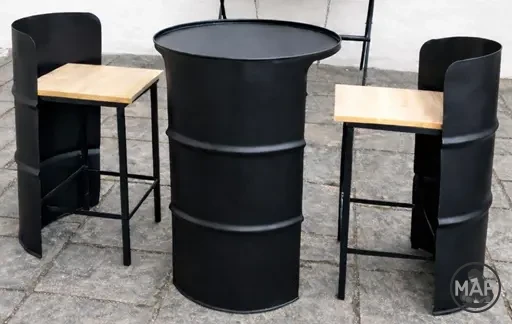
This is where things get interesting. A collection of builds, experiments, and the occasional challenge that seemed like a good idea at the time. Each project is documented with a focus on process, problem-solving, and the reality of working with metal—no shortcuts, no glossing over mistakes. If you’re looking for ideas or insight, this is the place. We also get commissioned to build some of our projects in customer’s backyards / gardens, just so they can follow our processes and watch it unfold.
Last updated: 22 Apr 2026